
NAD+ Peptides for Anti-aging 1000mg 10 vials
Original price was: $500.00.$190.00Current price is: $190.00.
NAD+ Peptides for Anti-aging
1000mg * 10 vials* 1 Kits
100% delivery
- Satisfaction Guaranteed
- No Hassle Refunds
- Secure Payments
Description
What is NAD?
NAD, also known as nicotinamide-adenine dinucleotide, is a coenzyme found naturally in the cells of the body, which plays an important role in energy production and other processes, Dr. Amanda Kahn, a board-certified internist and longevity medicine specialist based in New York City, tells TODAY.com.
A coenzyme is a helper molecule that binds to an enzyme to help carry out a chemical reaction. NAD assists in processes in the mitochondria, the powerhouse of the cell, and helps “keep the gears running” in the reaction that makes ATP, or cellular energy, says Kahn.
Interactions
No significant drug-drug interactions with NAD+ Injection have been identified in the medical literature to date. NAD+ is a form of a naturally occurring coenzyme/vitamin, and it does not appear to directly interfere with common medications or supplements based on current knowledge. In clinical use thus far, patients receiving NAD+ infusions or injections have not shown notable interaction effects with other drugs; for instance, there are no reports of NAD+ altering the metabolism of prescription medications or diminishing their efficacy. However, the absence of known interactions may partly reflect the limited scope of formal studies on NAD+ therapy, so this lack of interactions should be interpreted with caution. It remains possible that as NAD+ use becomes more widespread, some interactions could emerge. For this reason, patients are advised to inform their healthcare provider of all medications, supplements, or herbs they are taking before starting NAD+ injections, even though no incompatibilities are documented thus far. Healthcare providers will monitor any unusual responses and can adjust treatment if any potential interaction is suspected.
One practical consideration during NAD+ Injection therapy is the management of NAD+ metabolism by-products. When NAD+ is administered, it is ultimately metabolized to nicotinamide (vitamin B3) as it is utilized in the body. Excess nicotinamide is eliminated partly through a methylation pathway, meaning it consumes methyl donors in the process of excretion. To support this metabolic process, some clinicians recommend co-supplementation with a methyl donor such as trimethylglycine (TMG) while on NAD+ injections. TMG can help replenish methyl groups and facilitate the clearance of nicotinamide, theoretically reducing the buildup of by-products that could cause fatigue or headaches in some individuals. Though this is not an interaction in the traditional sense, it is an adjunctive measure that may improve tolerance of NAD+ therapy. Aside from such supportive strategies, patients do not typically need to avoid any specific foods, drinks, or medications while on NAD+ Injection. Nevertheless, it is prudent to have regular medical supervision, so any subtle interaction or side effects can be promptly identified and managed appropriately. Overall, NAD+ Injection is considered compatible with most other therapies, with no known adverse drug interactions, but comprehensive disclosure of one’s medication regimen to the treating provider is important for safe care.
Benefits of NAD+
As stated earlier, NAD+ is crucial for a number of key physiological processes within the human body. A deficiency in NAD+, or a disruption in NAD+ homeostasis in the body, may impair these physiologic processes, which may result in different illnesses or disease conditions. Discussed below are some of the many physiologic processes that are dependent on NAD+.
1. Genomic Stability
On a daily basis, reactive oxygen species (ROS) and reactive nitrogen species (RNS) are released endogenously within the body; these substances cause damage to cellular DNA. In addition, exogenous factors such as carcinogens, chemical mutagens, as well as radiation may also result in cellular DNA damage. When cellular DNA damage occurs due to either endogenous or exogenous factors, genomic instability occurs, which may result in cancer development and an increased rate of cellular aging.
In order to minimize cellular DNA damage and its consequences, there is a process in the body known as DNA-damage response (DDR). DDR is a process that detects and repairs any damaged DNA in the body. DDR is a process that is highly dependent on NAD+; when amounts of NAD+ are low in the body, the DDR process is impaired, resulting in increased damage to the cellular DNA.
2. Genetic Expression
The means by which genetic information in cellular DNA is used to produce the relevant proteins or substances in the human body is known as genetic expression. Genetic expression is the process that is responsible for the development of all the physical features that define an individual, such as hair and skin color, among other physical characteristics.
One of the mechanisms by which genetic expression successfully occurs in the body is through modifying a product known as histones. Histone modification is a NAD+ dependent process; a deficiency in NAD+ levels may disrupt histone modification, which may impair genetic expression. NAD+ deficiency may also result in the methylation of cellular DNA so that genes are not expressed appropriately; this is known as genetic silencing.
3. Immunity and Inflammation
Studies have shown that NAD+ levels in the human body determine the extent as well as the effectiveness of immune responses during infection. Increased levels of NAD+ during an infection increase oxidative phosphorylation in macrophages, which makes them better able to neutralize the organism causing the infection.
In addition to the increased expression of macrophages, NAD+ also exerts anti-inflammatory effects during an infectious process. Studies have shown that the expression of inflammatory markers such as Tumor Necrosis Factor alpha (TNF-a) and Interleukin-6 (IL-6) significantly diminish when there are high cellular levels of NAD+ and its precursors.
4. Energy Metabolism
Several metabolic pathways in the human body result in the release of energy. Some examples of the energy metabolic pathways are glycolysis, tricarboxylic acid (Krebs) cycle, oxidative phosphorylation, fatty acid oxidation, and ethanol metabolism. All the energy metabolic pathways require the presence of NAD+ as a coenzyme to function properly. In the glycolytic pathway, NAD+ facilitates the catalytic reactions of Glyceraldehyde-3-phosphate dehydrogenase (GADPH) and lactate dehydrogenase (LDH). In the Krebs cycle, NAD+ functions as a coenzyme for the rate-limiting enzymes alpha ketoglutarate dehydrogenase, isocitrate dehydrogenase, and malate dehydrogenase. Alcohol metabolism, which occurs in liver cells, also requires NAD+ as a cofactor for the process’s successful execution. A deficiency of NAD+ in the body may impact all these processes and negatively impact the effectiveness by which energy is generated and utilized by the body.
5. Circadian Clock
The circadian clock, also known as the biological clock or circadian rhythm, is an internal endogenous process that regulates the sleep-wake cycle in the human body. This internal clock helps the body adjust to different times of the day or the different seasons. The accuracy and effectiveness of the circadian clock are due in part to cellular levels of NAD+. A deficiency of NAD+ may disrupt the circadian rhythm and result in effects such as daytime sleepiness, restless sleep, hormonal imbalances, and mood alterations, among others.
6. Cardiovascular Function
The heart is the most metabolically active organ in the human body because it is constantly beating. Studies have shown that normal NAD+ levels are essential in maintaining the metabolic activity of the heart. Furthermore, in the event of a significant cardiac event such as a transient ischemic attack or myocardial infarction, normal levels of NAD+ help in the recovery from injury. Other studies have shown that a deficiency in NAD+ may result in cardiac disorders such as cardiac hypertrophy and fibrosis.
7. Kidney Function
Generally, renal function has a tendency to decrease as people get older. It is suspected that reduced levels of NAD+ in the elderly may have a role to play in the reduction in renal function. Research has indicated increased protection against acute renal injury when individuals were given NAD+ supplements. In addition, NAD+ supplements stimulated the release of prostaglandin E2, which serves to improve renal function after an acute renal injury.
8. Liver Function
Normal NAD+ levels in the body are essential for the optimal functioning of the liver. Specific enzymes in the NAD+ pathways protect the liver from conditions such as hepatic fibrosis, nonalcoholic fatty liver disease, and nonalcoholic steatohepatitis. Several studies have been performed that show that giving individuals NAD+ supplements may boost the liver’s overall health, protect it from toxic illnesses, and enhance its capacity for regeneration after a hepatic injury.
9. Neurological Function
NAD+ and its precursors have been shown to have a protective effect on the neurons in the brain after a significant neurological event such as a stroke. Having normal levels of NAD+ in the body is essential to the normal functioning and survival of cerebral neurons. Additionally, NAD+ supplements have shown some benefits in treating and preventing some neurodegenerative diseases such as Alzheimer’s disease; this is not definite, however, and there are several ongoing studies still exploring this possibility.
Adverse Reactions / Side Effects For AND+
NAD+ Injection is generally reported to be well-tolerated, with a low incidence of serious adverse effects. Because NAD+ is a molecule naturally present in the body, the administration of pharmaceutical NAD+ tends to produce only mild, transient side effects in most people.
Common reactions can include fatigue, nausea, headache, or lightheadedness during or after an injection.
Some individuals experience a sensation of warmth, flushing, or slight dizziness, especially if the infusion or injection is given rapidly.
There may also be minor irritation at the injection site, for example, redness, tenderness, or a brief burning sensation where the NAD+ solution is injected subcutaneously.
These localized reactions typically resolve quickly. Gastrointestinal upset is infrequent but has been noted (e.g. a few patients have reported stomach discomfort or loose stools).
Overall, these side effects are short-lived and manageable, often improving by slowing the rate of administration or taking breaks during an intravenous infusion if needed.
If patients do experience headaches, chest tightness, or dizziness during an NAD+ infusion, it is often relieved by pausing or slowing the infusion rate.
Other reported side effects have been mild muscle fatigue or feeling “chilled” during a long infusion, which likewise tend to subside afterward.
Additionally, standard injection risks (infection at injection site, vein irritation for IV, etc.) apply, though proper sterile technique makes these complications uncommon.
Overall, NAD+ Injection’s side effects are mild and manageable, and serious side effects appear rare. Patients often finish NAD+ treatment reporting positive effects (such as increased energy or mental clarity) with few downsides aside from the transient discomforts noted above. Nevertheless, ongoing surveillance and research are important to fully characterize long-term safety as use of this therapy expands.
Dosage Guidelines For NAD+
Low dose: Typically used for general wellness, boosting cellular energy, and longevity.
100-250mg (0.1 – 0.25ml or 10-25 units) 1-2 times a week, then once a month maintenance.
Higher dose: Common in cases of fatigue, cognitive decline, or recovery from addiction or chronic illness.
250-500 mg (0.25 – 0.5ml or 25-50 units) 1-2 times a week, then once a month maintenance.
Receiving and Storing Medication:
Store unopened/unreconstituted vials in a controlled room temperature environment as per manufacturer recommendations. Do not freeze.
Once reconstituted, store vials in the refrigerator at 36°F to 46°F (2°C to 8°C).
Note that the contents of a vial expire 30 days after opening. Discard expired vials and contact the supervisor for further instructions.
You must be logged in to post a review.
Related products
-
Sale!
Epithalamin Epithalon 10mg*10vials*1kits – Best Eeffect Hiqh Purity Peptides Product
Original price was: $150.00.$95.00Current price is: $95.00. -
Sale!
DSIP 5mg*10Vials*1kits-Best Eeffect Hiqh Purity Peptides Product
Original price was: $100.00.$80.00Current price is: $80.00. -
-
Sale!
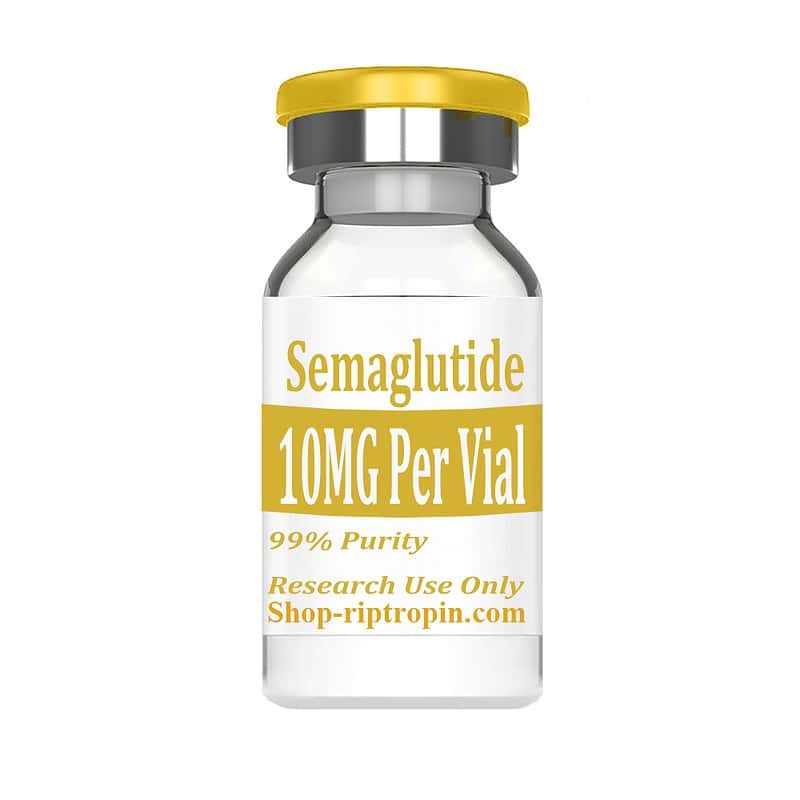
Semaglutide Starter Program (GLP-1 Analogue) 10mg For Weight Loss 10vials 1kits
Original price was: $260.00.$110.00Current price is: $110.00.
Reviews
There are no reviews yet.